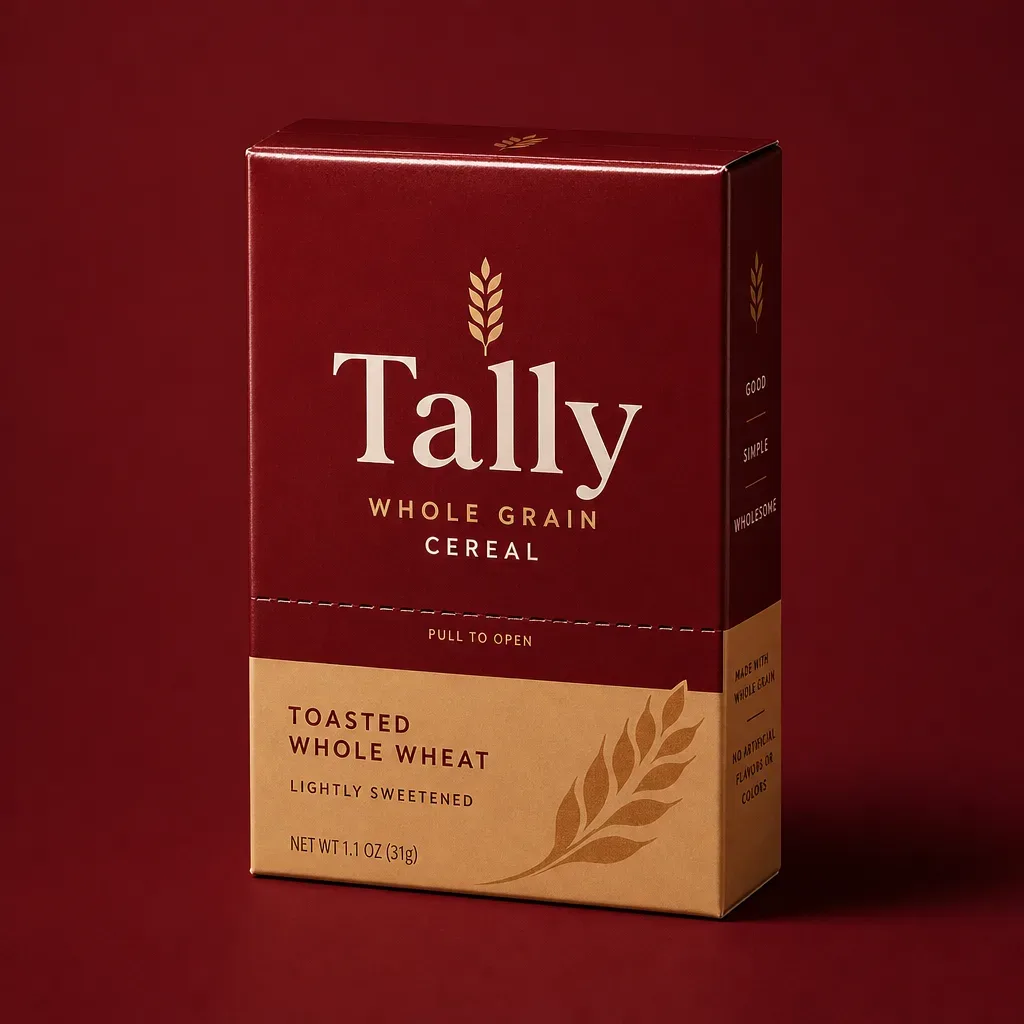
Single serve cereal boxes
Single serve cereal boxes hold one measured portion, sealed, for places that serve breakfast to many people: hotels, schools, hospitals, canteens, airlines. They are bought by the case and judged on cost per portion, hygiene and how fast they can be handed out. We design them around portion weight, case count and the line they are filled on, and the same pack serves as a travel-size cereal box for retail.
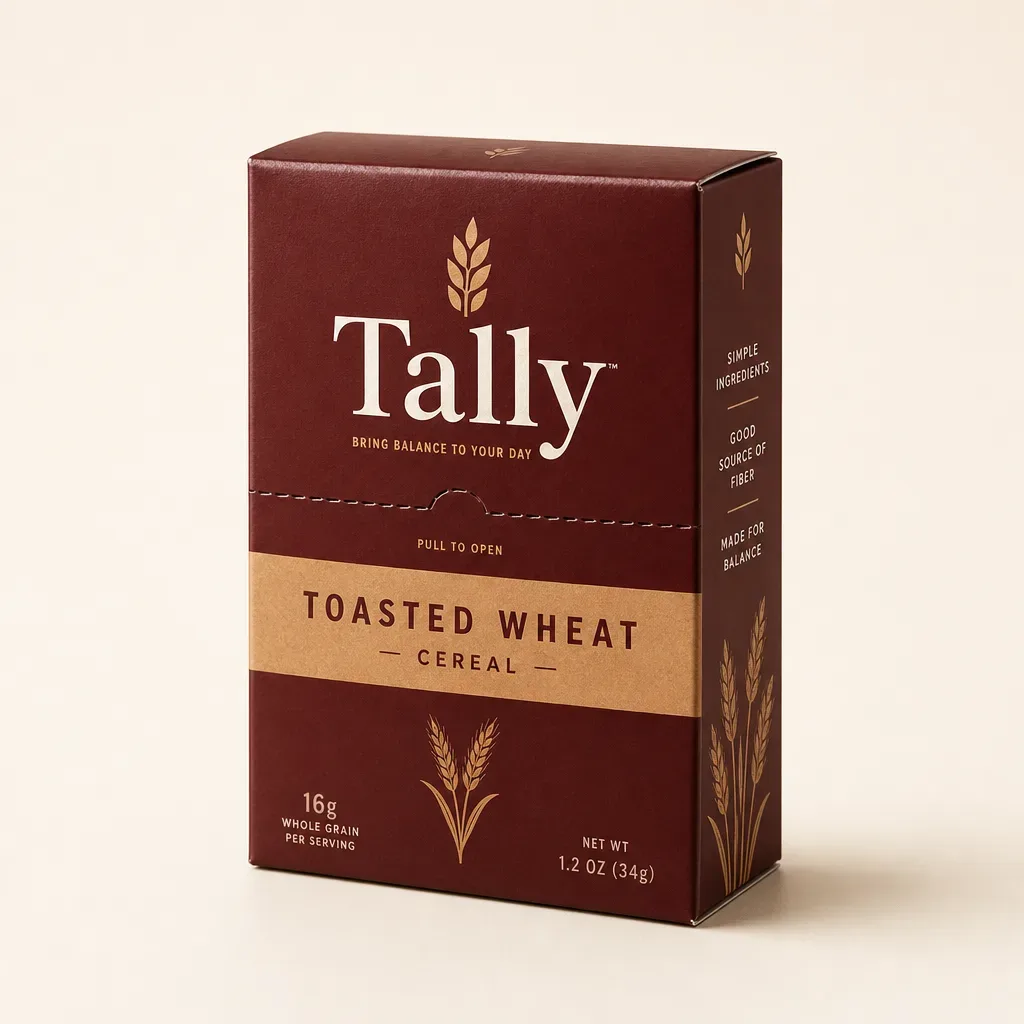
Individual cereal boxes for serving breakfast at scale.
A breakfast service for two hundred people cannot scoop from open cartons. Portions have to be equal, sealed until the moment they are eaten, and quick to hand out. A single-serve carton does all three, and it tells the guest what they are eating, which matters more each year as allergen rules tighten.
Buyers in this market look at packs differently from shoppers. They ask how many portions come in a case, how many cases fit a pallet and how the pack opens without a spoon and bowl to hand. Those answers are set by the carton's dimensions, which is why this format is specified from the case inward. Related bulk formats are covered under bulk size cereal boxes.
 sealed portion pack — macro
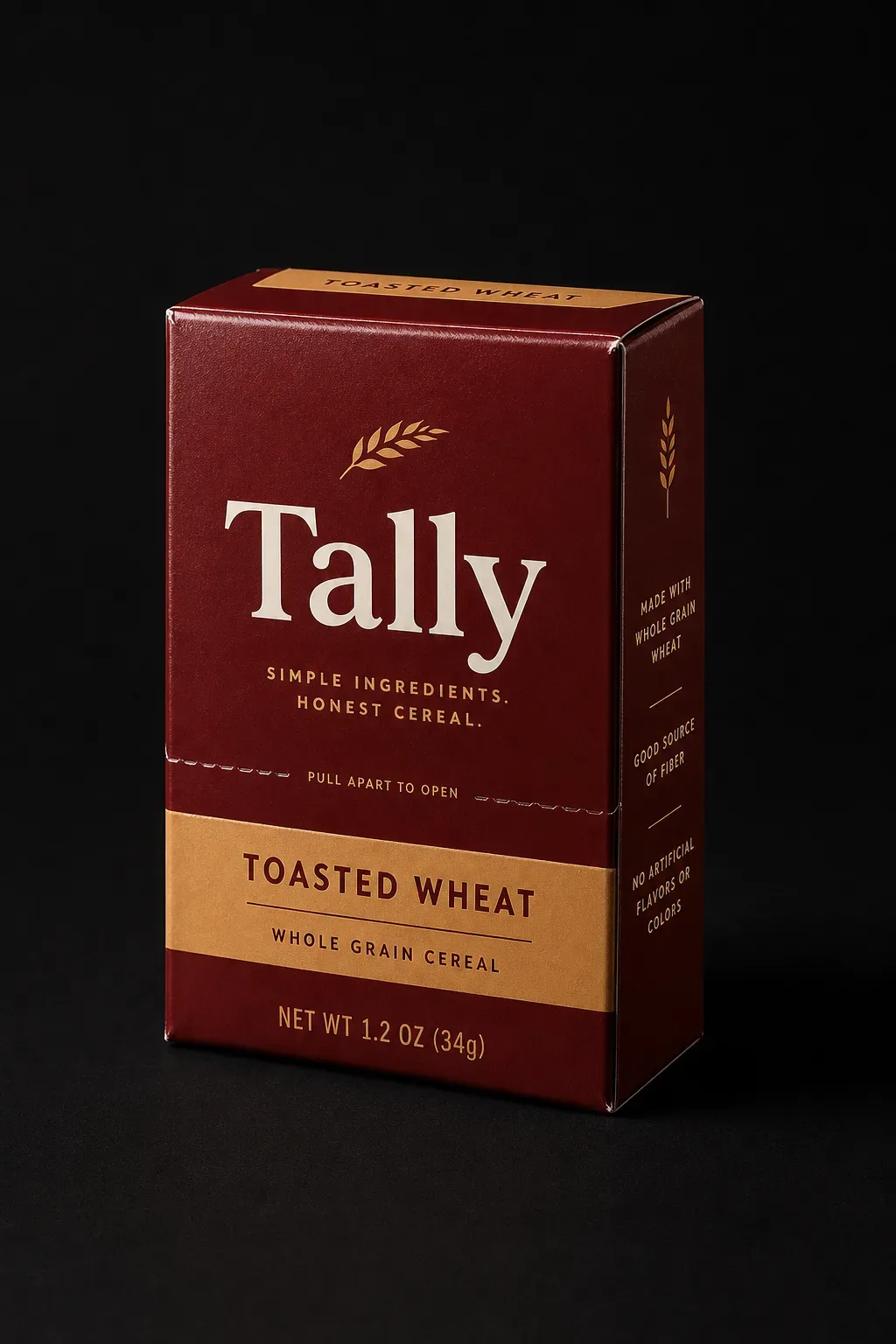
Six parts of portion cereal packs.
Select a marker or read down the list.
Glued flaps. The pack is tamper-evident and can be handled, stacked and displayed without opening.
Sealed for the line, perforated for the guest.
Volume portion packs are seal-end cartons run on a cartoner, with an opening feature cut into the blank. Smaller runs can be tuck-end and hand-packed. The sealed base structure is described under seal end cereal boxes.
Board, print and finish for single-serve cartons
Select an option to update the specification. Portion packs are cost-sensitive, so board is chosen for economy first; see board and print options.
Single-serve carton specification
Where portion packs are the standard


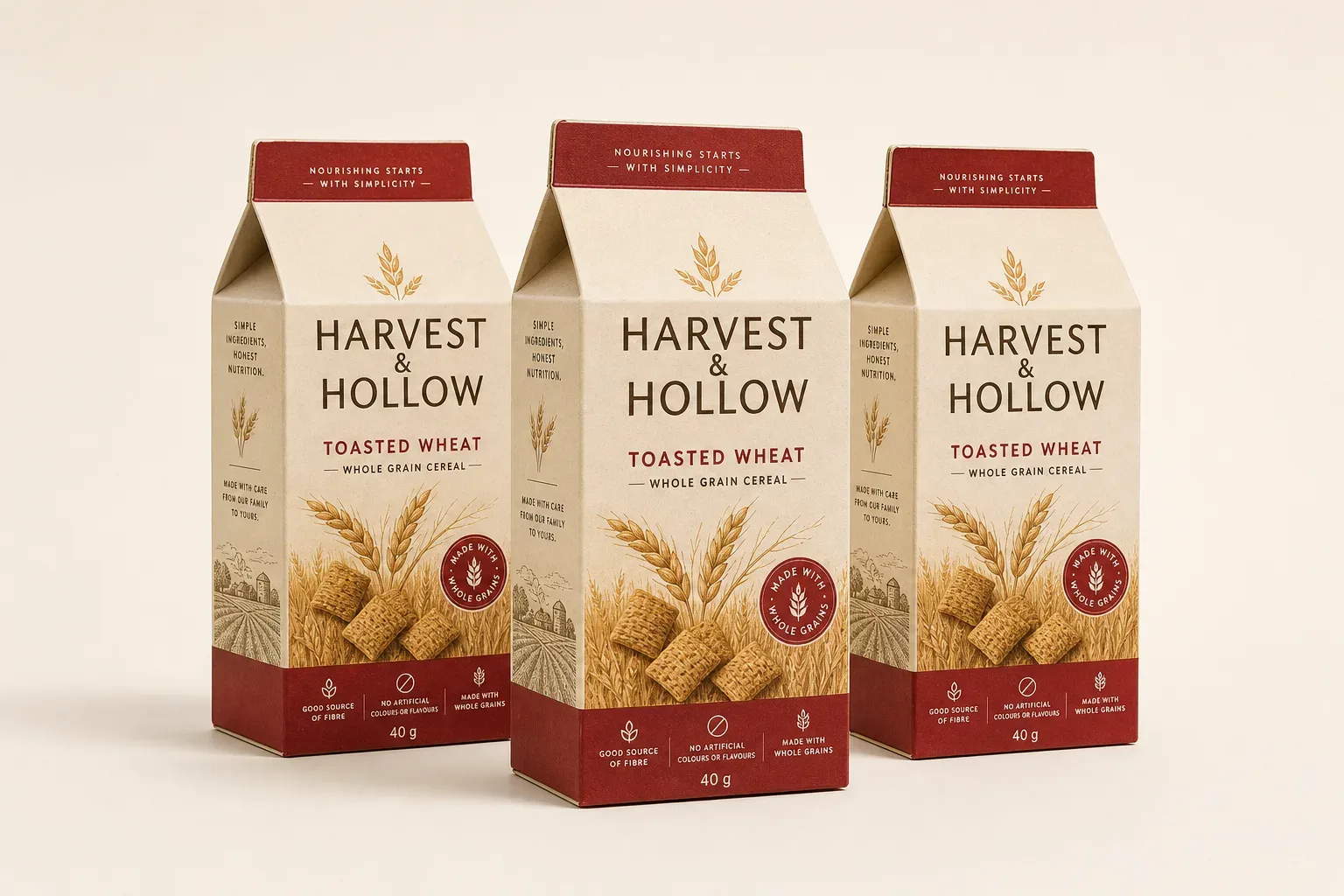
From portion weight to pallet
About single serve cereal boxes
What a single-serve cereal box is
A single-serve cereal box is a small carton containing one portion of cereal in a sealed inner bag. It is also called an individual cereal box or a portion pack. Travel-size, snack-size and on-the-go cereal boxes are the same pack sold at retail instead of through foodservice.
One variant deserves its own mention: the bowl pack. The carton is laid on its back and opened along a perforated line, the liner is cut open, and milk is poured straight in, so the pack is its own bowl. Portion formats are part of our custom cereal carton range.
Best uses
This is the format for institutional breakfast. It is used in hotel breakfast service, school breakfast programmes, hospitals, care homes, workplace canteens and in-flight catering, and it is central to foodservice cereal packaging generally. It is also sold in convenience and travel retail.
For brand owners, portion packs are a route into those channels and a form of sampling at scale: a guest who eats a brand at a hotel may buy it afterwards. For small promotional runs and gifting, a mini cereal box with tuck ends is usually more practical. Portion boxes of bran cereals are common in hospital and care settings, and puffed rice in school breakfast programmes.
Structure and closures
At volume the carton is sealed at both ends on a cartoner, which is fast and gives a tamper-evident pack. An opening feature is then essential, since a small glued carton is awkward to open by hand. Options are a perforated panel, a thumb-push tab, or a tear strip.
A bowl pack needs more: a wide front panel with an H- or I-shaped perforation that folds back as two doors, and a liner strong enough to hold milk. Not every liner film is suitable, so this is specified with the filler. For peg display in retail, a header can be added, as on hang tab cereal boxes.
Material options
Cost per portion drives the choice. Coated recycled board at around 16pt is the usual answer: it prints well enough, runs reliably and keeps unit cost down. SBS is chosen where a hospitality brand wants a brighter finish. Small panels are stiff in any board, so heavy calipers are unnecessary.
The liner matters as much as the carton. A standard film keeps cereal crisp. A bowl-pack liner must also be liquid-tight and easy to cut open. Liner options are explained under cereal boxes with inner bag.
Printing and finishing
Portion packs are printed offset in long runs, often with several varieties ganged on one sheet. Aqueous coating is the normal finish: it protects the print, runs cleanly and is the least expensive. Laminates and special finishes are rare in this channel, though a branded hotel line may justify them.
Leave an uncoated patch for the date code, since ink-jet codes do not hold well on varnish. Keep the glue lands free of coating as well. Finish options are shown under coatings for cereal cartons.
Size considerations
Portion weight is set by the buyer or by nutrition guidelines, and the same weight takes very different volumes depending on the cereal. A portion of puffed cereal can need twice the carton of a portion of granola. Ranges with several cereals often use one carton size for all and vary the fill weight, which simplifies casing.
Then work from the case. Buyers specify portions per case, and the case must fit a pallet pattern. The carton's footprint is chosen so a whole number of packs fills each layer exactly. A change of a couple of millimetres can add or lose a row. See the cereal box dimensions guide for typical formats.
Retail considerations
In foodservice the 'shelf' is a buffet rack, a serving line or a meal tray. Packs must be identifiable at a glance, with variety colour-coded, and allergens clear. Many institutions have nutrition standards for breakfast items; in school programmes these can determine portion size. See school breakfast cereal packaging.
For airline use, weight and volume are at a premium, so the smallest carton that protects the product is preferred; see airline and travel cereal packaging. In retail, travel-size packs need a tray or hook to be seen.
Artwork tips
Use our dieline. Put variety name and allergens where a server and a guest can both see them. Keep 3mm bleed, and keep text clear of the opening perforation, which leaves a toothed edge. Print opening instructions for bowl packs, with a simple diagram.
Reserve the uncoated date-code panel and a barcode on the pack if it will be sold at retail; cases need their own outer barcode. For file checks, see the artwork preparation guide. With portion weight and annual volume to hand, request a single-serve carton quote.
Get a case plan before you fix the carton size.
Tell us the portion weight, the cereals and the case count your buyer wants. We will return a carton size that tiles into the case, with the case dimensions and the layout shown.
Single-serve cereal boxes, answered
Small sealed cartons that each hold one portion of cereal in an inner bag. They are used in hotels, schools, hospitals, canteens and airlines, and sold as travel-size packs.
Serving hundreds each morning? Start from the case.
Send portion weight, varieties and volumes. We will plan the case, size the carton and price the run.