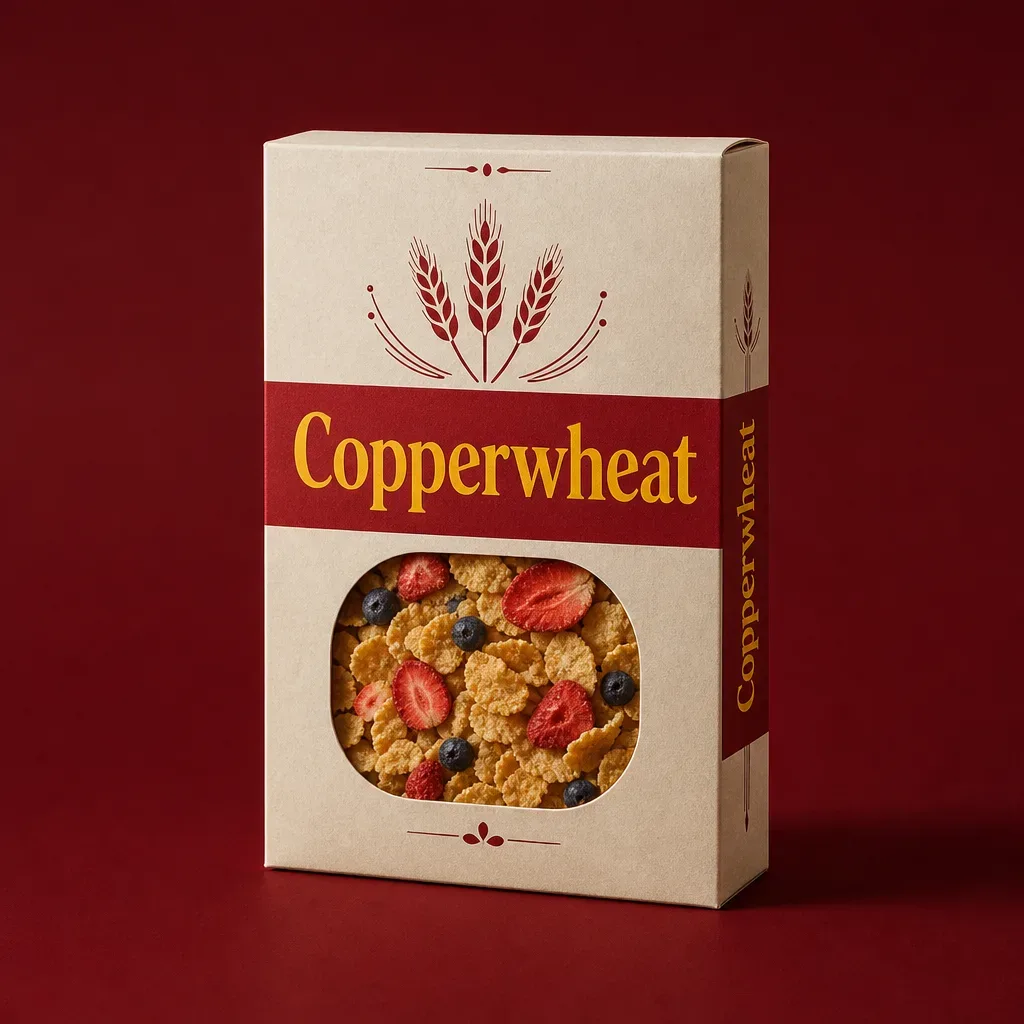
Fruit cereal boxes.
Fruit cereal boxes hold cereals with dried, freeze-dried or candied fruit, and fruit-flavoured cereals. Real fruit pieces bring two packaging problems: they trade moisture with the cereal around them, and freeze-dried fruit absorbs moisture from the air within hours if the bag is open. The pack has to keep both in balance and show the fruit honestly. This page covers the barrier, the window and the fruit claims.
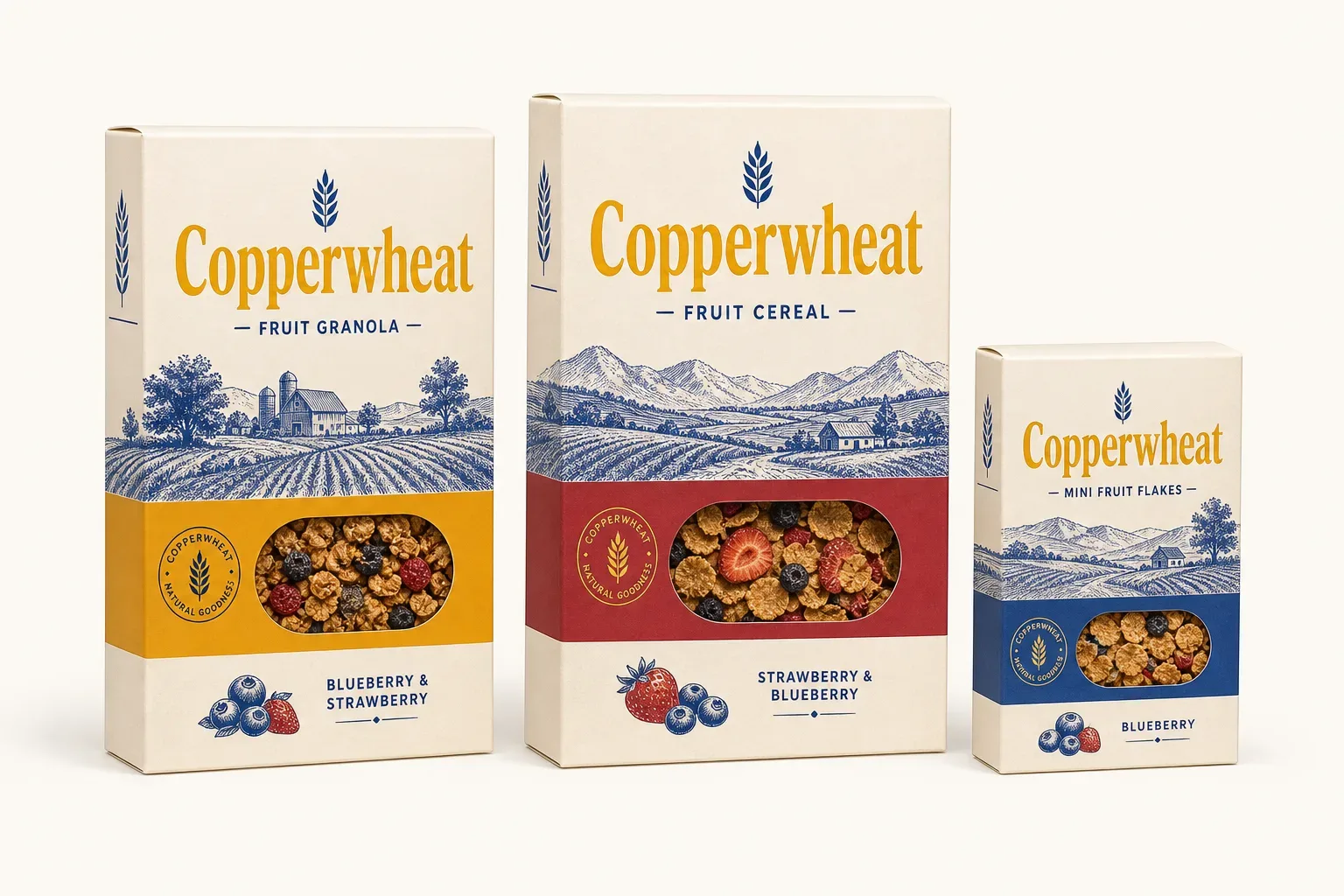
Two ingredients that disagree about water.
Boxes we'd normally specify for fruit cereal.
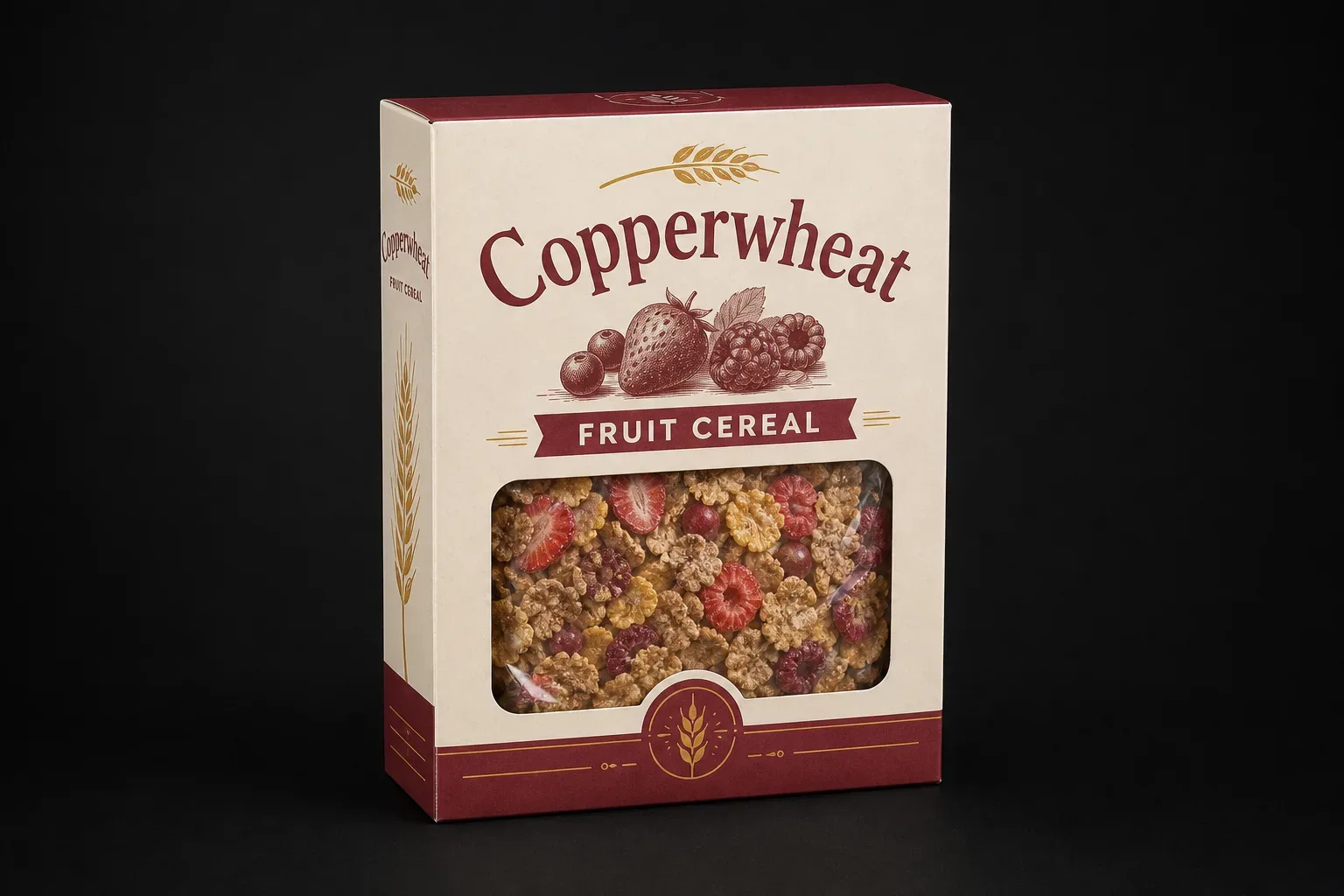
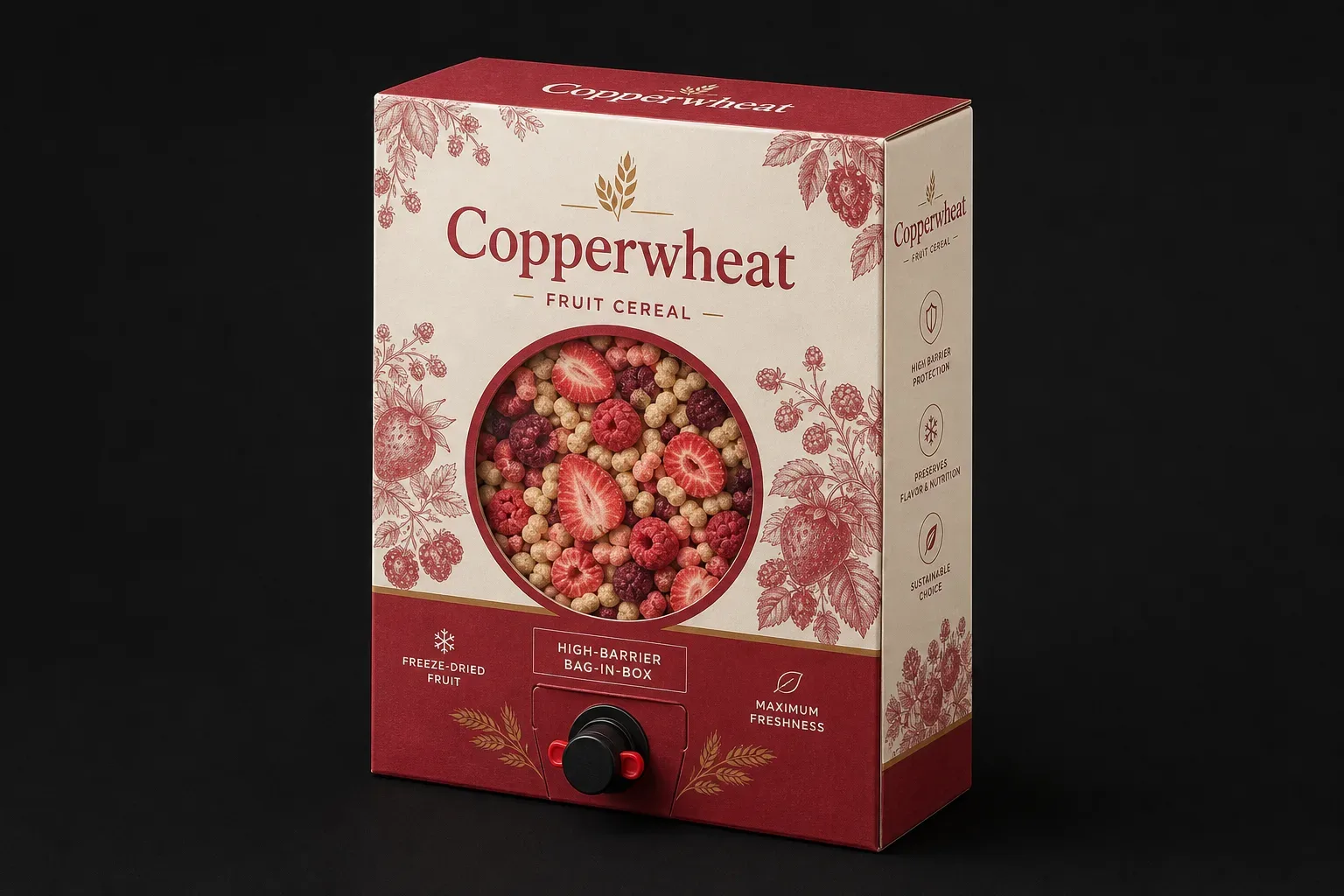
Real fruit or fruit flavour? Say which.
Some fruit cereals contain real dried or freeze-dried fruit; others are flavoured and coloured with fruit-derived or artificial flavourings. Buyers increasingly look for the difference, and many markets regulate how each may be described and pictured. Show real fruit if it is there, and avoid images that suggest more fruit than the product contains. Window options are covered under cereal cartons with a window.
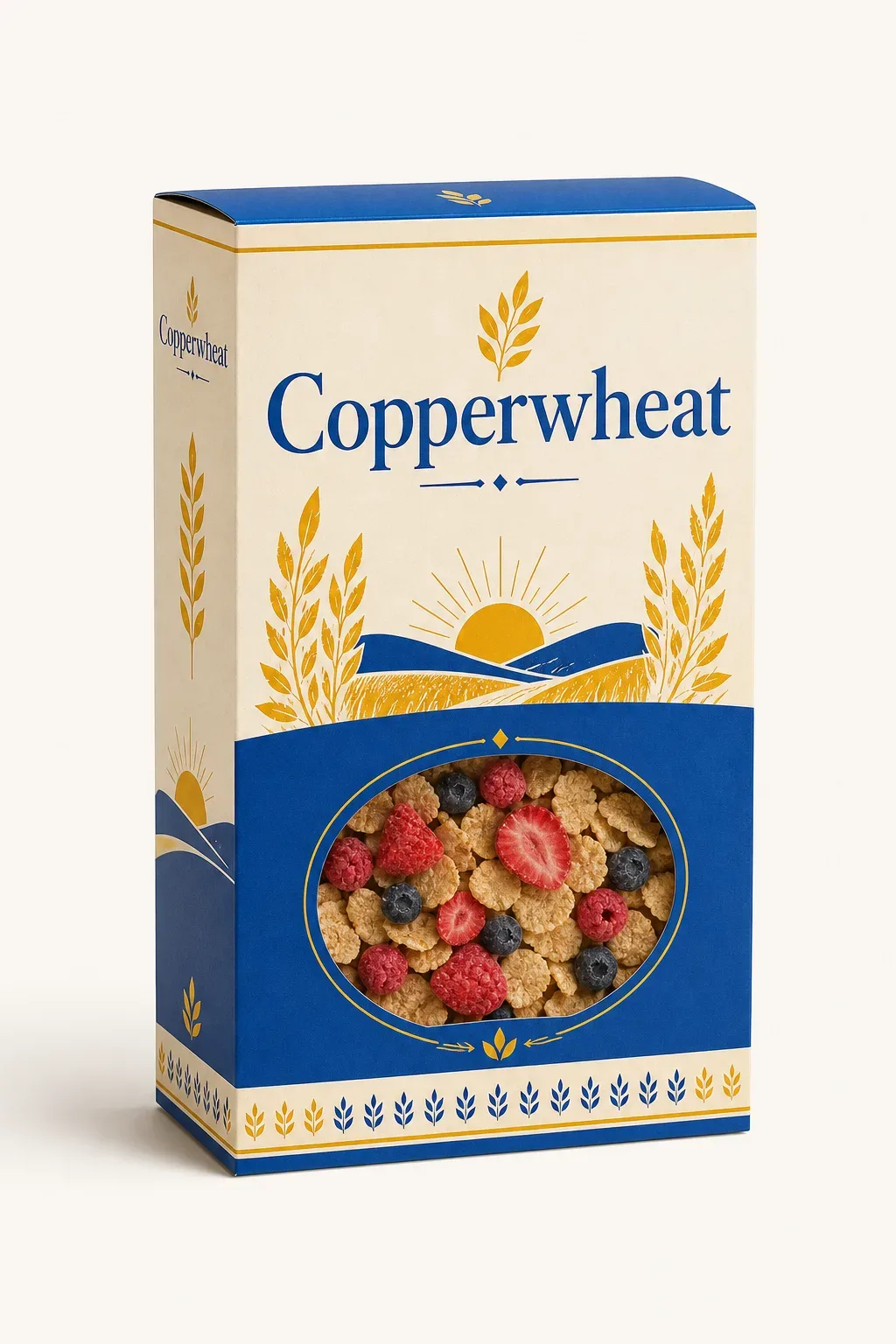 real fruit window
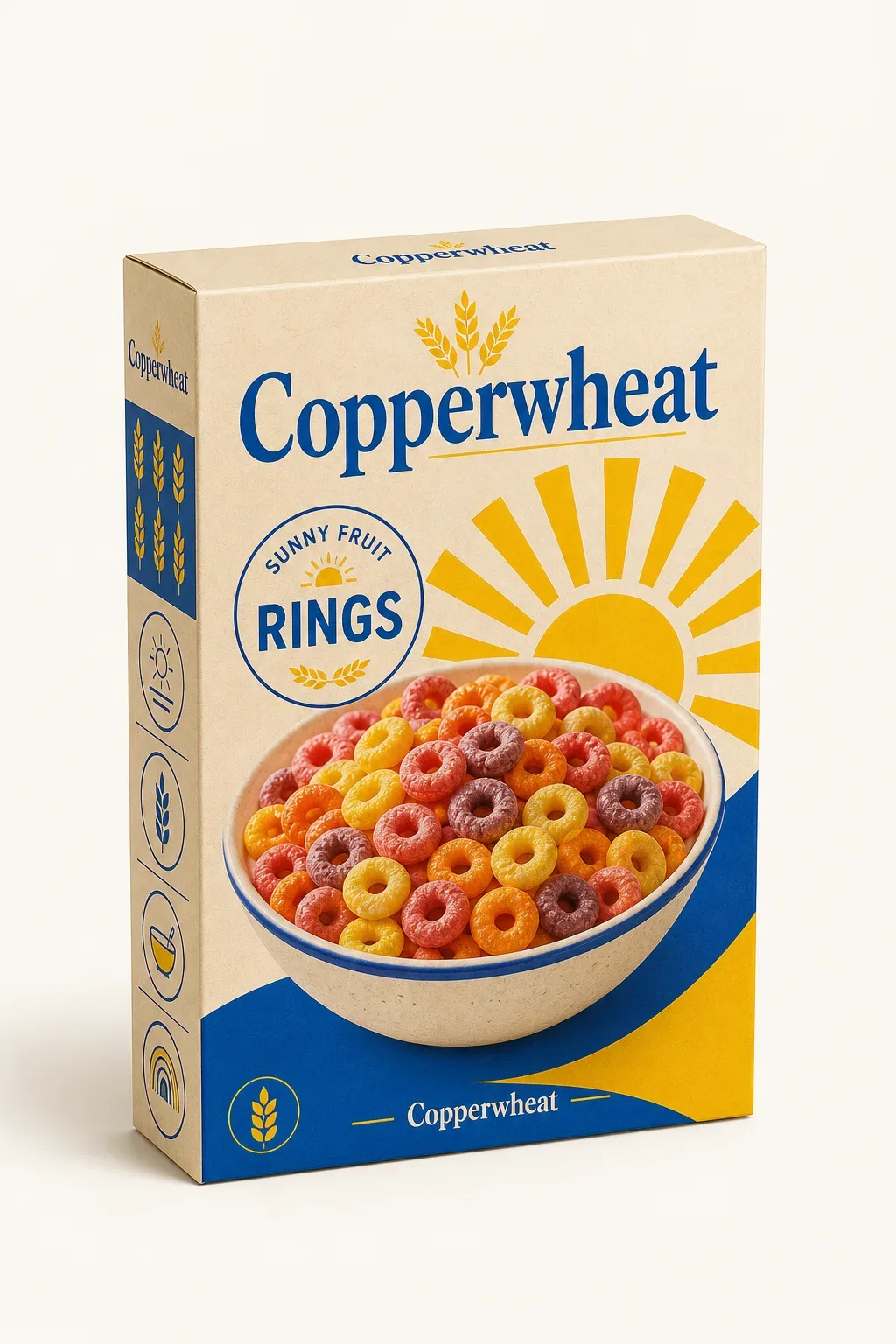 fruit-flavoured cereal
Dried, freeze-dried and flavoured
Fruit in cereal comes in three main forms. Conventionally dried fruit such as raisins and apricot pieces is soft and still contains a fair amount of water. Freeze-dried fruit is crisp, light and very dry. Infused or candied fruit is softened with sugar syrup. Fruit-flavoured cereals may contain no fruit pieces at all.
Each behaves differently next to dry cereal. Mixes with nuts and seeds as well behave like muesli packaging; fruit with bran is covered under bran and fruit-and-bran cereals.
Moisture migration in the pack
In a sealed bag, water moves from wetter ingredients to drier ones until they balance. Soft dried fruit loses moisture and hardens; flakes gain moisture and soften. Recipe teams control this with fruit moisture levels and infusions; the packaging slows exchange with the outside air but cannot stop exchange inside the bag.
Freeze-dried fruit is the opposite case: it is drier than the cereal and pulls moisture from the air quickly. A high moisture barrier and a reliable seal are essential. Bag options are compared in the guide to inner bags.
Showing the fruit
A window lets shoppers see the fruit and judge how much there is. It needs a window bag or a film patch, and it should sit where fruit is visible even after settling, since heavier fruit pieces tend to sink. Accurate photography is the alternative.
Pictures of fruit on the pack should reflect the product. Images showing more or different fruit than the cereal contains can mislead and may breach labelling rules.
Fruit content and labelling
In many markets, if a pack emphasises an ingredient in words or pictures, the percentage of that ingredient must be declared in the ingredients list. 'Made with real fruit' and similar claims also have conditions. The brand is responsible for compliance; we print the approved artwork.
Colour bands and fruit names keep flavours clear on a shelf and on the packing line. Allergens, such as nuts in a fruit-and-nut mix, must be shown as your market requires.
Reclosing after opening
Once the bag is open, freeze-dried fruit softens within days in humid kitchens. A resealable bag or a carton that closes firmly helps; see cartons that reclose after opening. Tuck tops reclose more neatly than torn seal ends.
For line-filled packs, a seal-end carton with a tear strip gives a clean first opening and a tidy reclose if the top is designed for it.
Board and print
Fruit cereals use bright, fresh colour and high-quality photography of the fruit. Coated board gives the most accurate fruit colour; a gloss finish adds freshness, while matte suits premium fruit granolas. Kraft prints fruit colours darker and warmer, so proof on the real board.
Spot gloss over the fruit photography on a matte ground is a strong combination; see spot UV cereal boxes.
Sizes and formats
Fruit cereals come in standard and family cartons, minis for variety packs, and premium fruit granolas in smaller boxes. Seasonal fruit editions are common. Portion boxes for hotels and schools often feature fruit varieties.
Fruit ranges often rotate seasonal flavours. A fixed layout with one changing colour band and one changing fruit photograph makes each new flavour a new piece of artwork on an existing dieline. Proof fruit colours on the real board, since reds and purples shift most between coated, recycled and kraft boards, and check that the ingredient percentage matches the new recipe.
For all structures see our cereal carton range, and request a fruit cereal packaging quote with your fill weight, fruit type and whether you want a window.
Fruit cereal boxes, answered
Moisture moves from the fruit to the drier cereal inside the bag. Recipe moisture levels control it; the bag slows exchange with outside air.
Packaging a fruit cereal? Start with the fruit.
Send the fill weight, the fruit type and form, and whether you want a window. We'll recommend the bag, carton, closure and window placement.
Start your quote → Talk to a packaging specialist →